Tag: Mental Health

Clinician Spotlight: Bailey McCombs, LMHC, EAT

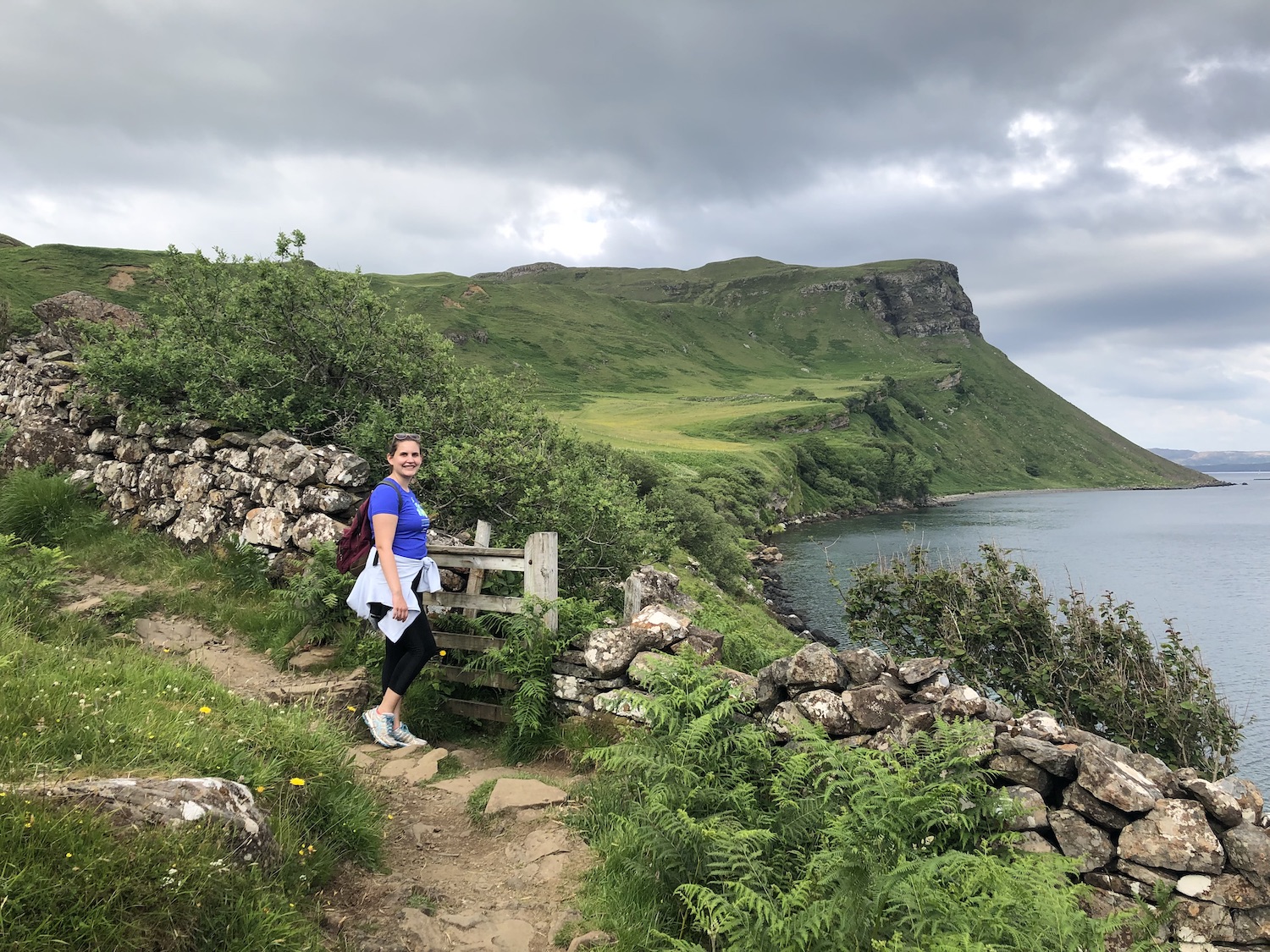
Meet Bailey!

Bailey works with both in-person and virtual clients in our Tyngsboro location.

1.) Hi, Bailey! When did you first know you wanted to become a therapist?

For as long as I can remember I knew I wanted to work in a therapeutic capacity. When I was a teenager, I started working at a summer camp for individuals with special needs which solidified that desire. I was seeing the positive impact on the individuals and their family members after a week of strength-based therapeutic care and knew I wanted to find a way to provide longer term support.

2.) Where did you go to school and what was one of the highlights of your learning experience?

My undergraduate degree is from Saint John Fisher College in upstate NY. A prime highlight of that time was studying abroad in Grenoble, France. My Master's degree is from Lesley University where I really enjoyed my internships, one of which was in a Memory Care Unit.

3.) What is something you have discovered about being a therapist that perhaps you didn't realize when you first started this journey?

Prior to being a therapist I did not realize how connected many agencies and practices are. It is interesting to see how many people I have worked with in other capacities that I now work with, or around as an outpatient therapist.

4.) What are some of your most go-to approaches, interventions or skills?

A main approach I use is Sensory Motor Arousal Regulation Treatment (SMART). This intervention allows me to provide coaching for families and explore what sensory inputs will help their children in staying regulated, as well as to help the children with body awareness and understanding how their emotions tie into movement.  I also use a variety of non-verbal interventions (art, writing, and visual aids) to facilitate communication between myself and clients as well as between clients and their families.

5.) What is one of the more challenging things about being in this field?

A difficult part of being in this field is the lack of access for everyone who wants to have services.  It can be heartbreaking to know that there are people and families who are seeking support, but they may not have the insurance, or ability to fund their needs.

6.) Which themes/topics interest you when considering continuing education in the near future?

I am very interested in EMDR and deepening my understanding of processing trauma in new ways.

7.) What is one of your favorite psychology-themed books?
"Brain on Fire" by Susan Cahalan is an incredible true story about a neurological disorder.

Clinician Spotlight: Lindsey Spratt, LMHC, BC-DMT

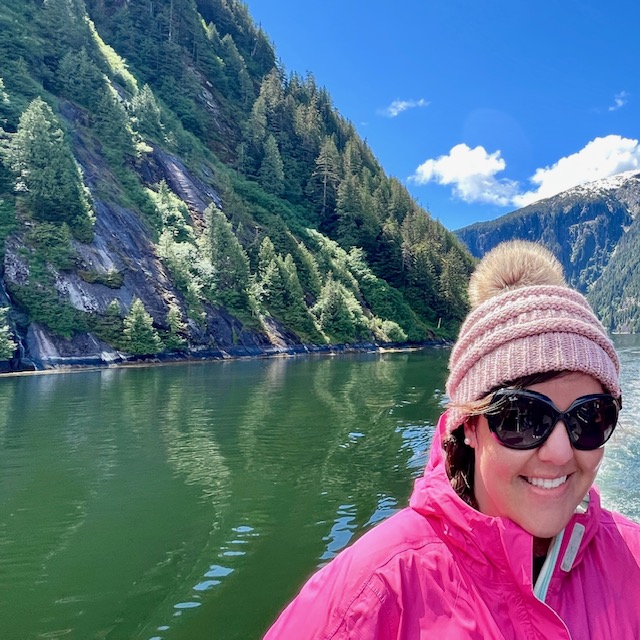
Meet Lindsey!

Lindsey is a virtual therapist and works with clients throughout the state of Massachusetts.

1.) Hi, Lindsey! When did you first know you wanted to become a therapist?

I have known since college that I wanted to be in a profession working with and connecting people. I had originally thought I would go down a medical path. However, after working in a nonprofit after college with mothers and children, I experienced the power of voice and the ability to share one’s stories and connect with others. This is when I realized I wanted to continue to do deeper work with people to give a space for their voice and connection/belonging.

2.) Where did you go to school and what was one of the highlights of your learning experience?

As an undergrad at Mount Holyoke College I studied both dance and psychology. This is where I started to make the connection between movement and healing and movement and expression. I went to graduate school at Lesley University where I received a degree in Mental Health Counseling with a concentration in Dance/Movement Therapy. I believe there are many ways for individuals to express themselves and having a combination of both verbal and nonverbal communication can sometimes make expressing and processing emotions more accessible.

3.) What is something you have discovered about being a therapist that perhaps you didn't realize when you first started this journey?

I think perhaps one thing I theoretically knew but did not fully resonate with me until I became a therapist is how individual everyone's experience is with therapy. Everyone has a unique experience, background, and story and while it is really powerful and important to create connection and belonging there is no “one size fits all” approach to therapy and that both the approaches and the therapeutic environment needed vary greatly depending on the individual.

4.) What are some of your most go-to approaches, interventions or skills?

I take a very person-centered approach with each individual. I think creating trust and a safe therapeutic space is the foundation for any other interventions. Other interventions I utilize often are mindfulness, body awareness, expressive therapy interventions, and CBT.

5.) What is one of the more challenging things about being in this field?

One characteristic I highly value as a therapist is empathy. Being able to connect to and understand a client’s experience is an important aspect of supporting an individual’s therapeutic journey. However a challenge that comes with an empathetic connection is being mindful of maintaining appropriate boundaries for myself in my work and life. While this balance sometimes changes, the awareness of the boundaries allows me to stay deeply present with my clients while maintaining appropriate self-care for myself.

6.) Which themes/topics interest you when considering continuing education in the near future?

I am very interested in how different aspects of individuals’ identities and their communities can shape their experiences and wellbeing. I think that understanding oneself and feeling a sense of connection and belonging go hand in hand.

7.) What is one of your favorite psychology-themed books?

"Relational-Cultural Therapy" by Judith V. Jordan because it looks at an individual in the varying contexts of their lives.

Clinician Spotlight: Courtney Stellmach, LMHC, CEIS

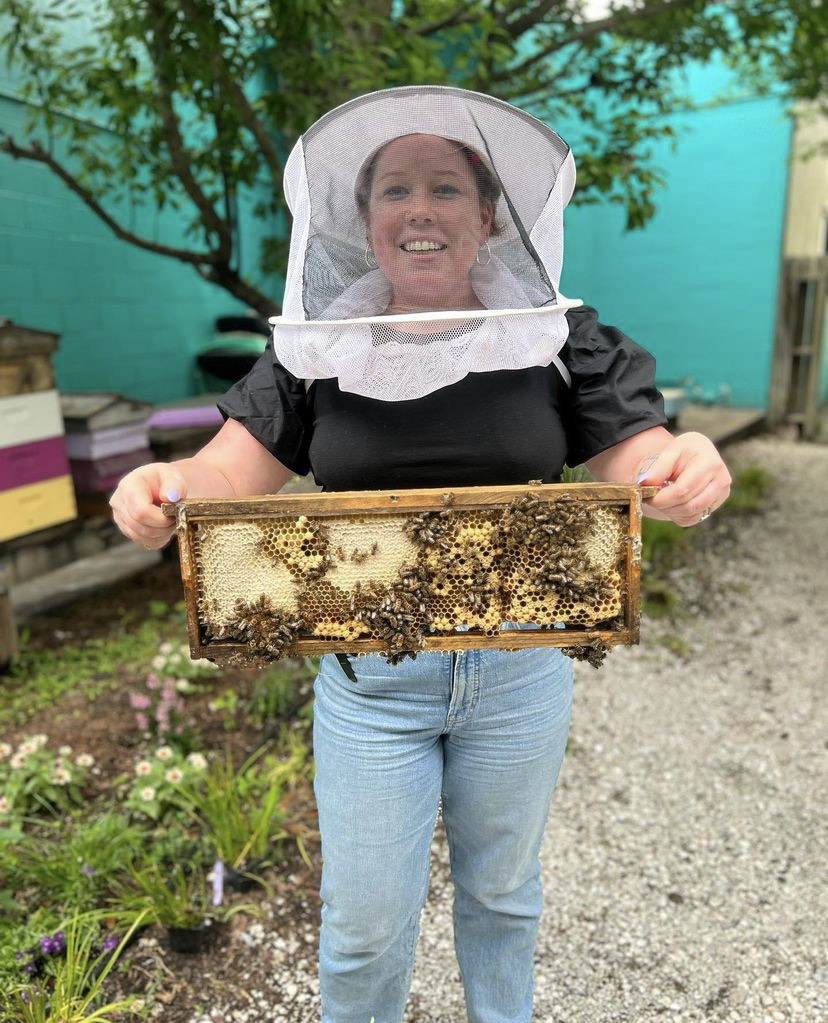
Meet Courtney!

Courtney is practicing out of our Tyngsboro office. She works both in-person and virtually.

1.) Hi, Courtney! When did you first know you wanted to become a therapist?

I can recall a time in college, when I was reading a research article about expressive therapies being used with pediatric oncology patients. I remember being very intrigued by not only the concept of expressive therapies, but also the variety of settings therapy can be utilized. After that, I would say that I had a series of little moments and experiences that guided me to becoming a therapist.

2.) Where did you go to school and what was one of the highlights of your learning experience?

I earned my Master’s degree from Lesley University in Cambridge, MA. I attended Roger Williams University in RI, where I earned a dual, undergraduate degree in psychology and dance performance. In my senior year at Roger Williams, I had the opportunity to complete two projects in both of my programs. I was selected by the psychology dept. to conduct my research study as the Principal Investigator. In my other area of study, I was working on my thesis, which included a composed performance piece of work, and this was selected to be performed at the American College of Dance Association. It was a really unique opportunity to have these two very different passion projects be recognized, and it really illustrated the importance of support and mentorship as I had some truly inspirational professors working alongside me during this time, as well as the support of my family.

3.) What is something you have discovered about being a therapist that perhaps you didn't realize when you first started this journey?

When I think back to my approach in the very beginning,  I had a really narrow focus on learning and applying theories and interventions. In doing so, I was not necessarily aware of the impact of worldly or cultural influences. Some recent examples to this are the pandemic, and the role of technology in our daily lives, and now I realize the major implications events like this can have in the work with clients.

4.) What are some of your most go-to approaches, interventions or skills?

I have a very individualized and person-centered approach. I facilitate skills to build self-awareness to promote change and self-growth. This may look different for each person and include mindfulness interventions or CBT interventions. When working with younger clients, I am very play based and client centered.

5.) What is one of the more challenging things about being in this field?

I am constantly working towards prioritizing self-care. Maintaining a self-care routine comes with its own challenges, and requires a lot of honesty & self-awareness, and may look different from last year to the next. Doing this work outside of sessions helps me be present and available in sessions with my clients, as well as people in my personal life.

6.) Which themes/topics interest you when considering continuing education in the near future?

Right now, I am pursuing continued education in DBT. Looking ahead in the future, I would love to revisit the theme from my earlier education and training,  and pursue more education around the body/mind connection and mindfulness.

7.) What is one of your favorite psychology-themed books?

"A General Theory of Love" by Lewis, Amini, and Lannon, illustrates how emotions and experiences are played out in our brains and body. It is a great book that helps better understand the body/mind connection, and the science behind emotions. My second favorite is "The Creative Habit" by Twla Tharp, which I love because of its creative and unorthodox presentation to themes of self-awareness, existence of patterns in our lives, and routines.