
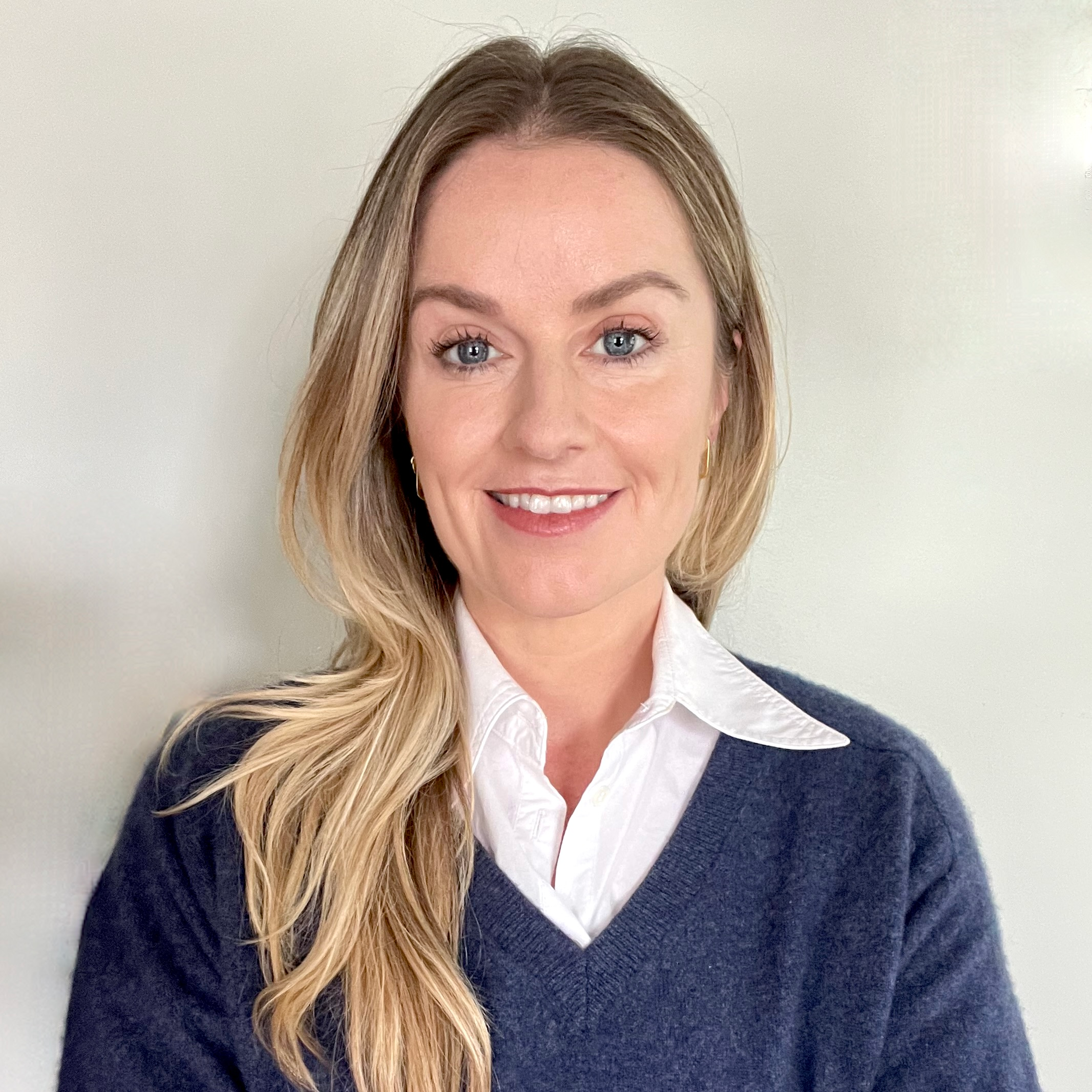
Clinician Spotlight: Saoirse Donegan, MEd
When did you first know you wanted to become a therapist?
After traveling around the world working as a professional photographer, elementary school teacher, and yoga instructor, I found myself becoming increasingly interested in the human psyche and the shared experiences that shape our lives. Each of those roles allowed me to witness people's resilience, creativity, and capacity for growth, but I felt drawn to connecting with others on a deeper, one-to-one level. Over time, I realized that becoming a therapist would allow me to combine my passion for helping others with my lifelong curiosity about the human condition.
Where did you go to graduate school?
I attended Cambridge College, where I earned my Master's degree in Mental Health Counseling. I completed both graduate school and my clinical internship this past spring, an experience that strengthened my commitment to providing compassionate, trauma-informed care to individuals from diverse backgrounds.
What is something you have discovered about being a therapist that perhaps you didn't realize when you first started this journey?
One of the biggest things I've learned is that therapy isn't about having all the answers or "fixing" people. It's about creating a relationship built on trust, curiosity, and authenticity, where clients feel safe enough to explore their experiences and discover their own strengths. I've come to appreciate how powerful simply being fully present with another person can be, and how meaningful change often happens through small, consistent moments of connection over time.
What are some of the most used approaches or interventions you use in your sessions?
My approach is person-centered and collaborative. I draw from Cognitive Behavioral Therapy (CBT), Dialectical Behavior Therapy (DBT), Acceptance and Commitment Therapy (ACT), mindfulness-based practices, and somatic approaches to support each client's unique needs and goals.
Having spent more than 20 years studying and practicing yoga and mindfulness—and nine years teaching yoga—I naturally integrate mind-body awareness into my therapeutic work. I believe emotional well-being is deeply connected to our physical experiences, relationships, values, and daily habits. I strive to help clients cultivate greater self-awareness, nervous system regulation, and self-compassion while developing practical tools that support lasting change.
What do you do for self-care that helps you be present in sessions?
Before beginning my workday, I take time to ground myself and connect with my body so that I can be fully present with my clients. Walking is an important part of my self-care practice, and I usually begin and end my day with a walk in nature. It helps me reset, process experiences, release physical and mental tension, and return to the present moment with renewed energy and focus.
Which themes or topics interest you when considering continuing education in the near future?
There are many therapeutic approaches that I hope to explore more. I'm particularly interested in advanced training in couples therapy, Relational Life Therapy (RLT). I'm passionate about lifelong learning and continually expanding my skills so I can better support clients across different stages of life and healing.
What is one of your favorite psychology-themed books?
It's hard to choose just one! A few books that have been especially meaningful to me are When Things Fall Apart by Pema Chödrön and Siddhartha by Herman Hesse. Both explore themes of suffering, growth, self-discovery, and compassion in ways that have influenced both my personal life and professional work. More recently, I've enjoyed reading The Vagus Nerve Reset by Anna Ferguson, which offers fascinating insights into the connection between the nervous system, healing, and overall well-being.

Schedule an Appointment
We are accepting new clients!