Category: Mental Health

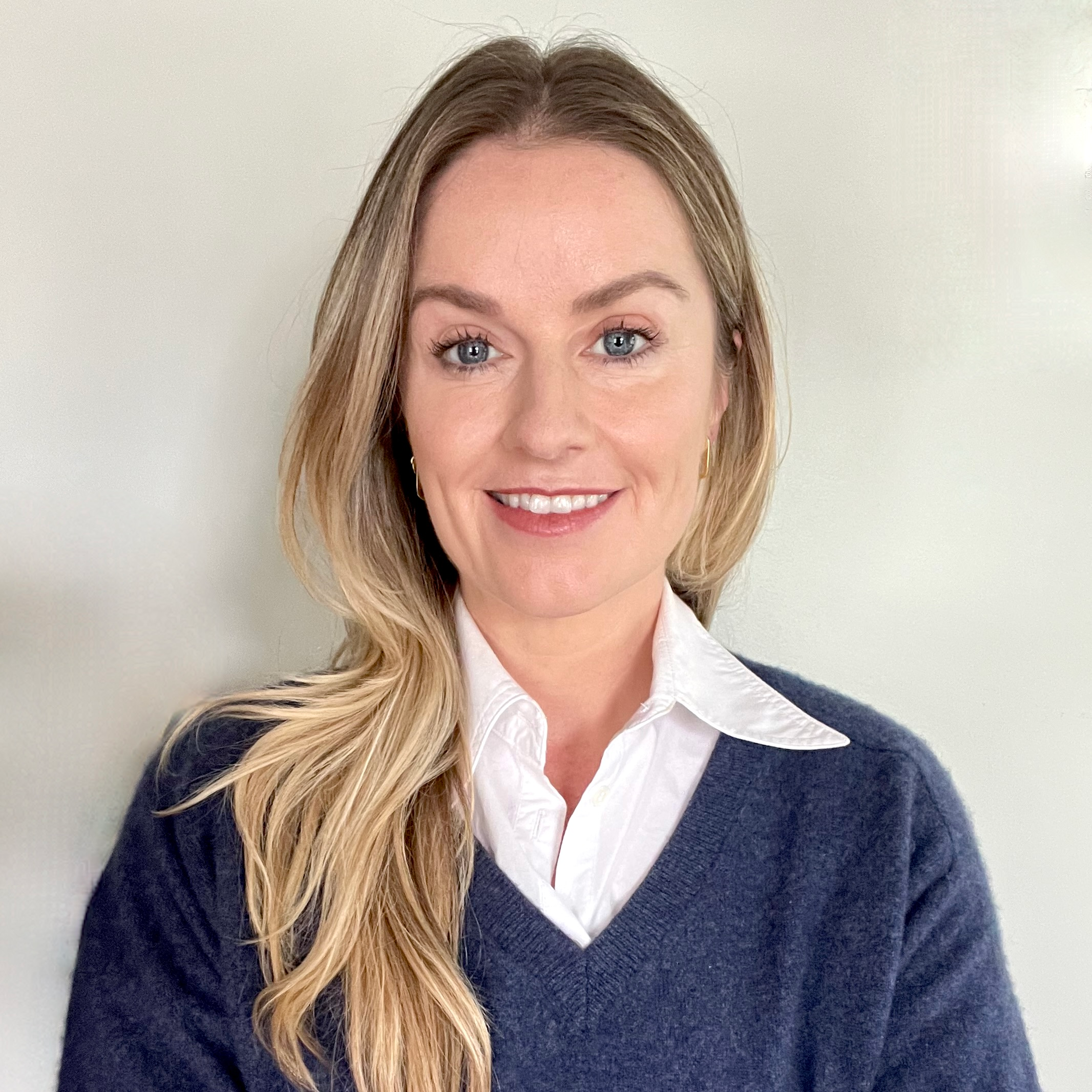
Clinician Spotlight: Saoirse Donegan, MEd

Meet Saoirse!

Saoirse works virtually with clients throughout the state of Massachusetts.

When did you first know you wanted to become a therapist?

After traveling around the world working as a professional photographer, elementary school teacher, and yoga instructor, I found myself becoming increasingly interested in the human psyche and the shared experiences that shape our lives. Each of those roles allowed me to witness people's resilience, creativity, and capacity for growth, but I felt drawn to connecting with others on a deeper, one-to-one level. Over time, I realized that becoming a therapist would allow me to combine my passion for helping others with my lifelong curiosity about the human condition.

Where did you go to graduate school?

I attended Cambridge College, where I earned my Master's degree in Mental Health Counseling. I completed both graduate school and my clinical internship this past spring, an experience that strengthened my commitment to providing compassionate, trauma-informed care to individuals from diverse backgrounds.

What is something you have discovered about being a therapist that perhaps you didn't realize when you first started this journey?

One of the biggest things I've learned is that therapy isn't about having all the answers or "fixing" people. It's about creating a relationship built on trust, curiosity, and authenticity, where clients feel safe enough to explore their experiences and discover their own strengths. I've come to appreciate how powerful simply being fully present with another person can be, and how meaningful change often happens through small, consistent moments of connection over time.

What are some of the most used approaches or interventions you use in your sessions?

My approach is person-centered and collaborative. I draw from Cognitive Behavioral Therapy (CBT), Dialectical Behavior Therapy (DBT), Acceptance and Commitment Therapy (ACT), mindfulness-based practices, and somatic approaches to support each client's unique needs and goals.

Having spent more than 20 years studying and practicing yoga and mindfulness—and nine years teaching yoga—I naturally integrate mind-body awareness into my therapeutic work. I believe emotional well-being is deeply connected to our physical experiences, relationships, values, and daily habits. I strive to help clients cultivate greater self-awareness, nervous system regulation, and self-compassion while developing practical tools that support lasting change.

What do you do for self-care that helps you be present in sessions?

Before beginning my workday, I take time to ground myself and connect with my body so that I can be fully present with my clients. Walking is an important part of my self-care practice, and I usually begin and end my day with a walk in nature. It helps me reset, process experiences, release physical and mental tension, and return to the present moment with renewed energy and focus.

Which themes or topics interest you when considering continuing education in the near future?

There are many therapeutic approaches that I hope to explore more. I'm particularly interested in advanced training in couples therapy, Relational Life Therapy (RLT). I'm passionate about lifelong learning and continually expanding my skills so I can better support clients across different stages of life and healing.

What is one of your favorite psychology-themed books?

It's hard to choose just one! A few books that have been especially meaningful to me are When Things Fall Apart by Pema Chödrön and Siddhartha by Herman Hesse. Both explore themes of suffering, growth, self-discovery, and compassion in ways that have influenced both my personal life and professional work. More recently, I've enjoyed reading The Vagus Nerve Reset by Anna Ferguson, which offers fascinating insights into the connection between the nervous system, healing, and overall well-being.

World Mental Health Day

October 10th is World Mental Health Day!

World Mental Health Day was started by the World Health Organization (WHO) to bring greater awareness to mental health issues around the world. Despite the progress that has been made to reduce the stigma of mental illness, many people still feel ostracized and singled out within their families and communities. Most of us know someone, or are someone, who struggles with some form of mental health issue. Sometimes it is hard to know what to do, or how to support those that we love and care about. If you are ever in doubt it can be helpful to take some time and reflect on your own feelings, how they impact your day and your relationships, and to cultivate some empathy for yourself as well as others.

How common is mental illness?

  • 1 in 5 (or 43.8 million) adults experience mental illness in a given year.
  • 1 in 25 (or 10 million) adults experience a serious mental illness.
  • 1 in 100 (or 2.4 million) live with schizophrenia.
  • 2.6% (or 6.1 million) of Americans have bipolar disorder.
  • 6.9% (or 16 million) suffer from severe depression.
  • 18.1% (or 42 million) live with an anxiety disorder.
  • 90% of those who die by suicide have an underlying mental illness.

And yet:

  • Only 41% of adults with a mental health condition received help and less than 50% of children 8-15 received mental health services.
  • Only 36.9% of those suffering from anxiety receive treatment.
  • Less than 20% of Americans with moderate depressive symptoms sought help from a medical professional.
  • And 4% of young adults with self-reported mental health needs forego care.
Statistics compiled from the National Alliance on Mental Health (NAMI), the Anxiety and Depression Association of America (ADAA), the American Psychological Association (APA), the Centers for Disease Control and Prevention (CDC), and the National Institute for Mental Health (NIMH).

To learn more check out some of the links below…


Out of the Darkness Walk

Hi all!  We at Counseling Services of Greater Boston hope you had a refreshing Labor Day weekend that prepared you for this work and school week!

On Saturday, September 26th, from 10am – 1pm on Lake Quannapowitt, Counseling Services of Greater Boston’s staff will be participating in an Out of the Darkness Walk.  We will be doing so in the means of preventing suicide and raising awareness and funding for this cause.  We would love it if you’d like to join us or donate!  If you would like to join, click on the link below and join “Counseling Services of Greater Boston”‘s team.

Register today!

Thin

Did you know that eating disorders have the highest morality rate of any mental illness?  We at Counseling Services of Greater Boston care deeply about the treatment of eating disorders, and recommend watching the following documentary, Thin, by Lauren Greenfield.  Greenfield follows four women in a residential treatment facility as they struggle with themselves and experience personal triumphs.

A Mouse Explains Meditation

Happy early 4th, everyone!

You have got to check out this amazing animated video on meditation, narrated by Dan Harris (a reporter on Good Morning America, who has also struggled with anxiety).  In fact, he recently penned a book entitled,  10% Happier: How I Tamed the Voice in My Head, Reduced Stress Without Losing My Edge, and Found Self-Help That Actually Works–A True Story.  In this video, he breaks down the process and science behind meditation, making it easy to understand and accessible for anyone.

Check it out!

Supporting Mental Illness Vs. Physical Illness

Hi all!  Hope you’re having a great week.  What can be the difference between the support we provide for physical illness and mental illness?  Take a moment out of your hectic day to check out this insightful TED talk by an older brother who witnessed the difference between the support received for his mother’s breast cancer, and his brother’s bipolar disorder.

Memorial Day

We at Counseling Services of Greater Boston wish you and yours a happy Memorial Day.  We also recognize a few things: that this day can be tough for those who have lost a loved one due to their service, and that coming home can be hard on veteran’s mental health – sometimes in the form of PTSD.  Take a minute to watch this address by Mental Health America and pass it along to anyone who may be in need of veteran’s resources.